
Moving From the Pacific Northwest to Scottsdale: What Relocation Buyers Need to Know
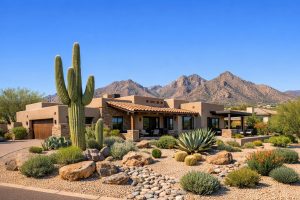
Relocating from the Pacific Northwest to Scottsdale means trading a temperate, rainy climate for the sunny, arid conditions of the Sonoran Desert. Scottsdale offers a unique mix of outdoor recreation, diverse neighborhoods, and a strong sense of community, but buyers should be prepared for significant differences in weather, landscaping, and daily lifestyle. Always verify current real estate data and neighborhood specifics before making a decision.
Key Takeaways
- Scottsdale has a desert climate with over 300 sunny days per year, contrasting sharply with the Pacific Northwest’s rainfall and cloud cover.
- Neighborhoods in North and Central Scottsdale differ in amenities, lot sizes, and community features.
- Heat preparedness and water conservation are essential for new residents.
- Scottsdale offers extensive outdoor recreation, including the McDowell Sonoran Preserve and Indian Bend Wash Greenbelt.
- Community programs help newcomers integrate and learn about local resources.
Understanding the Move: Climate, Lifestyle, and Location
Climate Differences: What to Expect
Scottsdale’s climate is defined by abundant sunshine and low rainfall. The city averages 314 sunny days per year and receives about 7.66 inches of rain annually. In contrast, Seattle averages 152 sunny days and 37 inches of rain each year. Summer temperatures in Scottsdale often exceed 100°F (38°C), making heat preparedness a necessity for all residents.
Neighborhoods and Community Features
Scottsdale covers 184.5 square miles and stretches 31 miles from north to south, offering a variety of neighborhoods and property types. North Scottsdale is known for its larger lots, gated and golf communities, and proximity to the McDowell Sonoran Preserve. Central Scottsdale offers established neighborhoods, convenient access to Old Town, and a mix of housing options. Buyers should compare amenities, HOA structures, and long-term marketability when evaluating neighborhoods.
Outdoor Recreation and Amenities
Scottsdale’s outdoor amenities are a major draw. The McDowell Sonoran Preserve is the largest urban wilderness area in the U.S., with over 60 miles of trails for hiking, biking, and horseback riding. The Indian Bend Wash Greenbelt provides 11 miles of parks, lakes, and golf courses through the heart of the city. Old Town Scottsdale features more than 90 restaurants, 320 retail shops, and over 80 art galleries.
Adapting to the Desert Environment
Moving from the Pacific Northwest’s lush landscape to Scottsdale’s arid environment requires a shift in approach to landscaping and daily living. Desert landscaping and water conservation are encouraged to maintain sustainability. New residents should also be aware of heat safety practices, especially during the summer months.
Community Integration and Resources
Scottsdale offers programs like Neighborhood College to help new residents learn about city services, community involvement, and local resources. These programs are designed to make the transition smoother and foster a sense of belonging.
Comparing Scottsdale and the Pacific Northwest
| Factor | Scottsdale, AZ | Seattle, WA / Portland, OR |
|---|---|---|
| Climate | 314 sunny days/year; 7.66″ rainfall | 152 sunny days/year (Seattle); 37″ rainfall |
| Population | 243,050 | Seattle: 749,256; Portland: 652,503 |
| Geographic Size | 184.5 sq mi | Seattle: 83.9 sq mi |
| Outdoor Recreation | Desert trails, golf, parks | Forested trails, parks, water sports |
| Landscape | Sonoran Desert | Temperate rainforest |
Kelly Cook’s Perspective
When I advise buyers relocating from the Pacific Northwest to Scottsdale, I focus on helping them understand the differences between neighborhoods, the impact of HOA structures, and the importance of lot orientation and ownership costs. I encourage clients to consider factors like airport access, nearby amenities, and whether they plan to be seasonal or year-round residents. My approach is built on preparation and transparency, guiding buyers to compare communities, evaluate value, and identify risks. I believe it is essential to provide direct advice on when to move forward, negotiate, pause, or walk away, always keeping long-term marketability in mind.
Current Data and Local Evidence
- Scottsdale’s population is approximately 243,050 as of 2026.
- The city averages 314 sunny days per year, with high summer temperatures often exceeding 100°F (38°C).
- The McDowell Sonoran Preserve is the largest urban wilderness area in the U.S., offering over 60 miles of trails.
- The Indian Bend Wash Greenbelt provides 11 miles of parks, lakes, and golf courses.
- Community programs like Neighborhood College support new resident integration.
Scottsdale-Specific Examples
For example, buyers considering North Scottsdale may prioritize access to the McDowell Sonoran Preserve and larger lot sizes, while those looking in Central Scottsdale may value proximity to Old Town’s dining and arts scene. Gated and golf communities offer additional amenities and security, but buyers should review HOA rules and ownership costs carefully. Lot orientation can affect sun exposure and outdoor living comfort, which is especially important in Scottsdale’s climate.
Common Mistakes to Avoid
- Assuming the climate is similar to the Pacific Northwest: Scottsdale’s desert climate means much less rainfall and significantly higher summer temperatures. Failing to prepare for heat can impact comfort and safety.
- Overlooking water conservation and landscaping needs: Traditional lawns are not practical in Scottsdale’s arid environment. Adopting desert landscaping and water-saving practices is both environmentally responsible and often required.
- Underestimating the importance of lot orientation: The direction a home faces can influence energy costs and outdoor usability, especially during summer.
- Not evaluating HOA rules and costs: Scottsdale’s communities vary in HOA structure and amenities. Buyers should review these details to avoid surprises.
- Failing to consider long-term marketability: Features like location, community amenities, and property type can affect future resale options.
Frequently Asked Questions
What is the average temperature in Scottsdale during the summer?
Scottsdale often experiences summer temperatures exceeding 100°F (38°C).
How many sunny days does Scottsdale have each year?
Scottsdale averages 314 sunny days per year.
Are there community programs to help new residents integrate?
Yes, Scottsdale offers programs like Neighborhood College to educate and engage new residents.
What are some popular outdoor activities in Scottsdale?
Residents enjoy hiking in the McDowell Sonoran Preserve, golfing, and exploring the Indian Bend Wash Greenbelt.
How does Scottsdale’s population compare to cities in the Pacific Northwest?
Scottsdale’s population is about 243,050, which is smaller than Seattle or Portland.
What should I know about landscaping in Scottsdale?
Desert landscaping and water conservation are important due to the arid climate.
Is heat safety a concern for new residents?
Yes, new residents should be aware of high summer temperatures and take precautions to stay safe.
What is Old Town Scottsdale known for?
Old Town Scottsdale features more than 90 restaurants, 320 retail shops, and over 80 art galleries.
Are there differences between North and Central Scottsdale?
Yes, North Scottsdale typically offers larger lots and newer communities, while Central Scottsdale provides established neighborhoods and easier access to Old Town amenities.
Where can I find more information about Scottsdale neighborhoods?
Visit the City of Scottsdale’s official website or consult with a local real estate advisor for detailed neighborhood information.
Ready to plan your move? Contact us to create a personalized Scottsdale relocation plan tailored to your needs and preferences.